

Cultivating Well-Being Across Borders
Events and Activities


January 2026
Sharing Good Practices:Theatre Activities
Collaborative Theatre Project
"From Story to Stage"
Storytelling, group performances, emotional responses.
Performance Creation and Reherasal.
Encourages emotional expression helping them express emotions that are often difficult to put into words.
Promotes empathy and understanding, develop greater empathy and a deeper understanding of mental well-being challenges.
Breaks stigma around mental health.
Builds confidence and self-esteem.
Connects creativity with emotional learning.Using theatre and storytelling turns learning into an experiential process, making the Mind Matters messages more powerful and memorable.
Supports inclusion and active participation. The activity is adaptable to different skills and comfort levels, allowing everyone to contribute—whether acting, writing, directing, or supporting behind the scenes.
January 2026
Sharing Good Practices: Lecture and Debate
Self-Condidence Activities
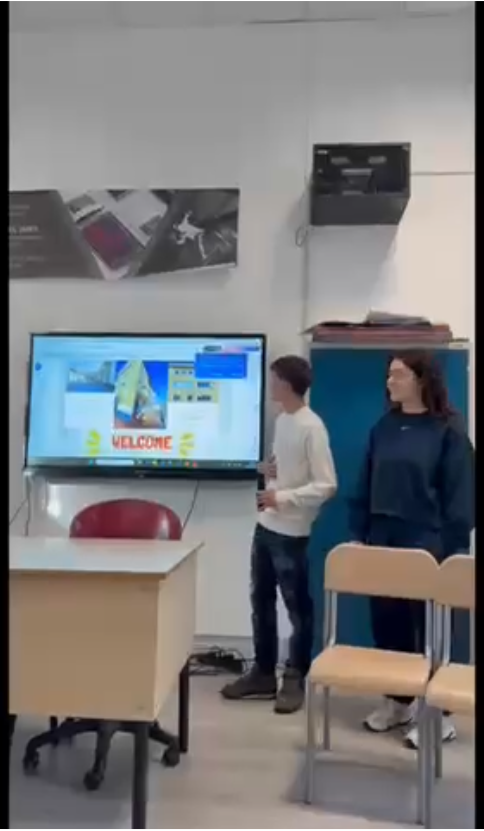
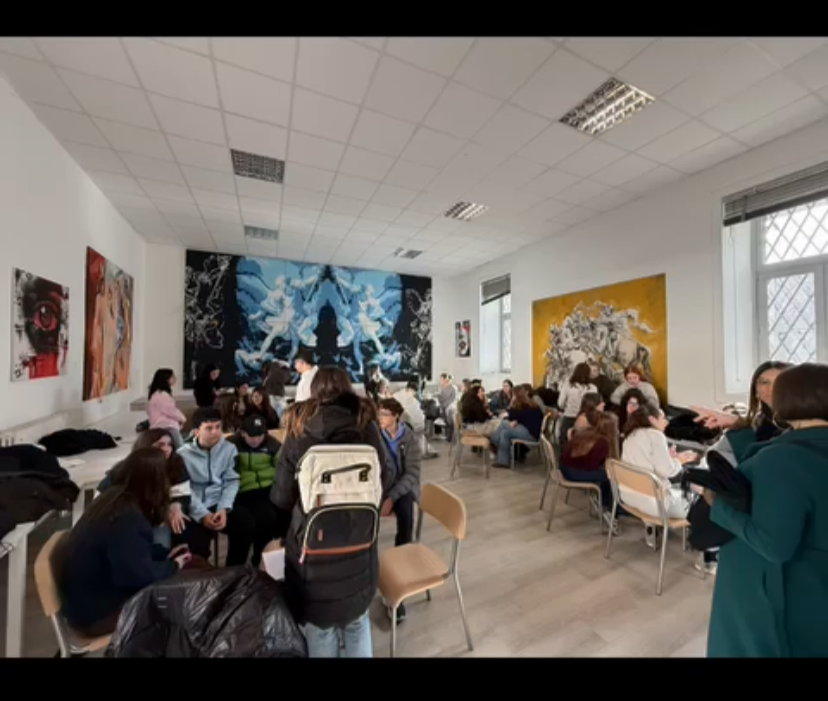
1. Lecture on "Young People and Well-Being" (with the support of a phychologist and a sociologist
2. Debate: "What Makes a Healthy Life?"
The debate is highly beneficial for themental and emotional wellbeing , sinceIt fosters critical thinking, active listening, empathy, and self-confidence, as well as teaching respect for differing opinions.It fosters intellectual agility and clear communication, which are fundamental to personal and professional success.
Key benefits of the debate for well-being:
-
Intellectual development: Sharpens critical thinking and the ability to investigate and analyze complex problems.
-
Emotional intelligence: Helps manage the fear of public speaking and increases confidence and poise.
-
Social skills and respect: Encourages active listening, teamwork and respect for opposing viewpoints, essential for mental well-being.
-
Assertive communication: Improves the ability to express ideas clearly and with evidence.
-
Deep reflection: Allows you to question your own ideas and modify them, fostering an open mind and continuous personal growth.
An environment that fosters respectful debate (in the family or at work) helps reduce tension and improve coexistence by allowing the parties to listen to each other.


January 2026
Sharing Good Practices: Creation of a Logo
Collaborative Art Project
"Let's create our shirs! (Designing a Well-Being Logo)
It serves several practical and symbolic purposes:
-
Strengthens the project’s identity. The T-shirts make participants feel part of a shared initiative. They create a sense of belonging and reinforce the project’s core values: mental health, emotional well-being, and self-care.
-
Raises awareness about mental well-being. By wearing the T-shirts during activities, workshops, or even outside the project context, the Mind Matters message reaches a wider audience and helps normalize conversations about mental health.
-
Encourages group cohesion. Wearing the same T-shirts helps break down barriers between participants from different countries and cultures. It fosters unity and equality, which are key aspects of Erasmus projects.
-
Acts as a dissemination tool. T-shirts are a simple and effective way to promote the project during events, in official photos, on social media, and in local activities, supporting the dissemination goals of the Erasmus+ programme.
-
Provides a lasting memory of the project. More than just merchandise, the T-shirts are a tangible keepsake that participants can continue to wear, keeping the message of mental well-being alive beyond the project.
-
Reinforces the educational message.Displaying the Well-being logo on a T-shirt turns an abstract concept into something visible and part of everyday life, reminding people that caring for the mind is just as important as caring for the body.
January 2026
Sharing Good Practices: Ice Breakers & Team-Building
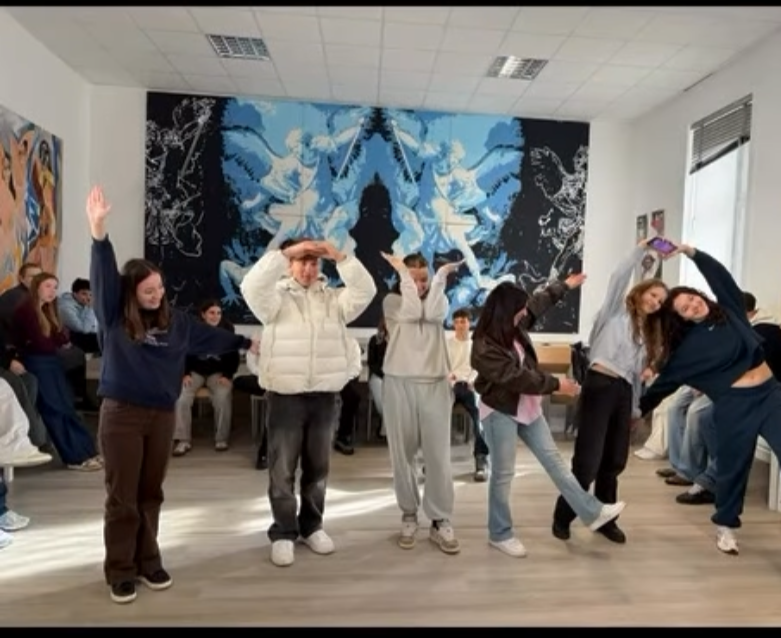
Body Language Activities (Mission Impossible): Extressing the Self through Body and Voice (Movement, Voice, Improvisation)
1. Create a Secret Handshake
2. Reproduce a Meme using Body Language
3. Create a Victory Dance
4. Spell one word connected with well-being using Body Language
Istituto Istruzione Superiore di Aversa Leonardo Da Vinci" (Italy) will emphasize emotional intelligence and intercultural understanding, using arts, music, and theatre to help students The students and teachers will learn to cope with stress and to think positively. The relationships at schools will improve.
We will learn and teach effectively. We will work better alone and in team. We will feel,more relaxed, supported and self-confident. We will freely express our gender and racial identities.
Teachers will provide a more supportive classroom climate and be effective Teachers will incorporate emotional intelligence and intercultural awareness into its curriculum. Resources developed during the project will support future lessons, helping students understand mental health in a global context.
Two project partners are vocational pedagogical schools. Their students regularly work with children in school clubs and in kindergartens and their future career is also connected with children. They help organize free-time activities and events for local children's clubs.Promote Intercultural Dialogue
Objective: Foster intercultural understanding by exploring diverse approaches to mental health.
Result: Students and teachers will develop greater empathy and reduce stigma, contributing to more inclusive schoolenvironments. An intercultural framework will be developed for future exchanges



January 2026
Sharing Good Practices: International Meetings
Aversa Mobility (11/01/26 - 16/01/26)
Enhancing International Collaboration: This initiative strengthens cross-border learning by allowing students and educators to share experiences and best practices. Shared performances, art exhibitions, and mindfulness activities develop teamwork, adaptability, and communication skills. Exposure to different educational approaches deepens cultural awareness and builds lasting partnerships between schools
Enhanced Learning Through Mobility: Student mobility enables immersion in diverse educational and cultural environments, broadening their understanding of mental health from various perspectives. This experience fosters intercultural competence, resilience, and a deeper sense of European identity, outcomes that can only be achieved through cross-border collaboration.
In Italy emotional intelligence and cultural awareness will be developed through music, theatre, and visual arts. Students will participate in intercultural exchanges and creative workshops to develop coping mechanisms for emotional stress, using arts as a platform for empathy and self-expression.
These coordinated efforts will foster mental health, resilience, and intercultural understanding, helping students grow through mindfulness, sports, and the arts across schools


December 2025
Work Packages 3 and 4
Tradition Approach
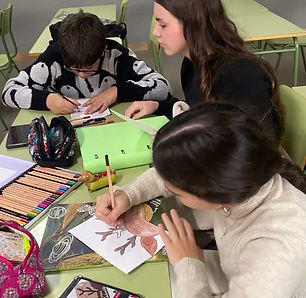
Students from Stredna Odborna Skola Pedagogicka. Presov (Slovakia) have made murals , bulletin boards and different activities about Christmas traditions in their partners countries; they also cooked an Italian Panettone
The project aligns with the Erasmus+ framework, ensuring that each participant understandsthe intended learning outcomes. These may include increased awareness of mental health issues, intercultural communication skills, and strategies for promoting wellbeing.
• Validation through Tools like Europass: Participants document
The activity was published in the Social Networks.
Objective: Share successful strategies for integrating mindfulness, physical activity, arts to enhance student wellbeing.
Result: Students will be more familiar with the traditions and culture from the different countries participating in this project
Mindfulness
Team Relaxion
IES Pérez Comendador from Plasencia (Spain), as an official Mindfulness School, we emphasize mental well-being alongside physical health. Mindfulness workshops help students manage stress, develop self-awareness, and build emotional resilience. Additionally, we incorporate theater, music, and the arts as tools for self-expression and emotional growth, fostering confidence and social skills.
Our teachers are deeply committed to Health Care (body and mind), working enthusiastically to motivate students. Many are eager to collaborate in the proposed Erasmus Project, sharing our expertise while learning from our Erasmus partners. We believe education extends beyond academics to include integral education, covering mental health, emotional well-being, and personal development. This project will provide our teaching staff and students with an opportunity for intercultural collaboration, deepening their understanding of healthy habits, self-acceptance, and decision-making.
Music Department: Leading mindfulness workshops, relaxation exercises, teamwork activities, and music therapy for mental
health
Work Packages 3 and 4
Czech Students' introductions.
Six students from Gymnazium Jana Blahoslava a Stredni Pedagogiká Skola, Prerov (Czech Republic) introduce themselves; they eill be participating in next Aversa Mobility, January 2026,
Students acquire essential skills such as emotional regulation, resilience, and stress managementthrough project activities. These skills directly contribute to creating a positive school atmosphere where students and
teachers feel supported.
The collaborative design and implementation of activities ensure a unified approach, with eachcountry contributing unique perspectives and solutions to shared challenges.
By addressing both wellbeing and learning outcomes, this Erasmus+ project creates a lasting impact on all stakeholders, contributing to healthier school environments and equipping participants with skills that transcend borders and benefit them
throughout their lives.
Spanish Students' introductions.
Six students from IES Pérez Comendador from Plasencia (Spain) introduce themselves; they eill be participating in next Aversa Mobility, January 2026,
Students acquire essential skills such as emotional regulation, resilience, and stress managementthrough project activities. These skills directly contribute to creating a positive school atmosphere where students and
teachers feel supported.
The collaborative design and implementation of activities ensure a unified approach, with eachcountry contributing unique perspectives and solutions to shared challenges.
By addressing both wellbeing and learning outcomes, this Erasmus+ project creates a lasting impact on all stakeholders, contributing to healthier school environments and equipping participants with skills that transcend borders and benefit them
throughout their lives.
.jpg)
.png)
November 2025
Work Packages 3 and 4
Christmas Cards
Each partner has suggested a number of activities and events which we are going to implement during the project period. Our aim is to learn and share innovative teaching methods. We willk try to include as many activities as possible so that each school, each teacher and each student can find their way how to approach the issue of well-being and how to participate in the project.
Objective: Share successful strategies for integrating mindfulness, physical activity, arts to enhance student wellbeing.
Result: Students will ellaborate Christmas Cards in different languages which will be sent electronically (several apps) so as to reduce costs and pollution.
Work Package 3 and 4
Social Networks
We aim at actively informing the public about the achieved successes through articles and reviews in newspapers and other media. The activity for dissemination of results concerns not only teachers, students, and parents, but also the local community because the problems related to quality improvement of education are important for the overall development of
Europe.
The mentoring program will support students and teachers in developing mental well-being strategies, social inclusion, and emotional resilience through peer and teacher-led mentoring initiatives:
The dissemination of the informationand results of all project activities is an extremely important stage of the project proposal. It will be implemented in stages as explained in the following schedule:
1. Familiarize the staff with the project, its goals and results.
2. Presenting the activities and results after their realization.
3. The teachers will pass the information to the students and parents in classes or regular meetings.
4. The management of the school will inform the representatives of the regional authorities at their regular meetings.
5. We will join the Erasmus Days and present the programme and the project.

October 2025
Sharing Good Practices: International Meetings
Virtual Meeting (28/10/25)
The "Sharing Good Practice: International Meetings" work package aims to foster collaboration and exchange of best practices among partner schools, supporting the overall project objectives of improving mental health, emotional wellbeing, and intercultural understanding.
Objective: Share successful strategies for integrating mindfulness, physical activity, arts, theatre, and music to enhance student wellbeing.
Result: A compendium of best practices will be created, offering adaptable methods for improving student mental health across European schools
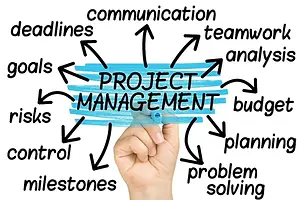
Project Management
Virtual Meeting (14/10/25)
To ensure proper budget control and time management in our Erasmus+ project, we have developed a structured approach involving clear planning, regular monitoring, and transparent communication.
Budget Control:
• Dedicated Financial Manager: Each institution assigned a financial manager responsible for tracking and overseeing their respective budget, ensuring alignment with financial guidelines.
• Clear Budget Categories: The budget was divided into categories such as travel, personnel, materials, and training to ensure appropriate spending.
• Contingency Planning: A contingency fund was set aside to address unforeseen expenses or changes that may arise during the project.

September 2025
Welcome
Virtual Meeting
To maintain continuous coordination, virtual meetings were held, with all partners invited. These monthly meetings provided an opportunity for each partner to:
• Provide updates on their activities
• Discuss progress toward milestones
• Share any challenges and propose solutions
• Plan next steps
Meeting agendas will be prepared in advance, and after each meeting, a summary was distributed to all partners. This helped ensure transparency and accountability. .